Is It Time To Replace My Roof?
Central Exteriors • June 10, 2022
Do you know when was the last time your home had a roof replacement ? If you’re a new homeowner, chances are you may not know. Or, perhaps it’s been more than just a few years since you last had it repaired or installed.
In that case, it’s a good idea to keep an eye on your roof for potential damage. The best way to do this is to contact a
trustworthy roofing company
who can assess your roof to ensure it’s still in proper condition.
The experts at Central Exteriors have put together this article to help you identify potential signs of damage and wear and tear that, if left unchecked, can cost a hefty bill. Read on to understand how to spot such issues early on and get your roof repaired in time.
Sign 1: Shingle damage
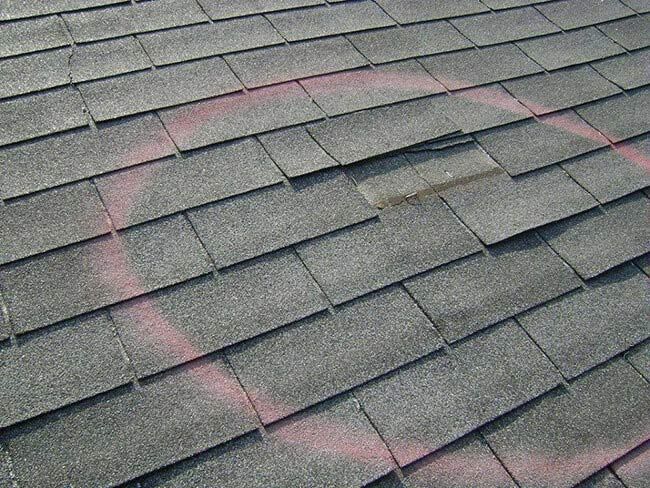
If you notice that shingles on your roof are coming loose, falling off your roof, crumbling apart, or are in some way damaged, it may be time for a roof repair. The good news is that shingle damage is often the first sign of a roof that needs to be looked at, but may not indicate any further, extensive damage such as rot or holes in your roof.
If your roof has been recently replaced or repaired, you may only need to replace the shingles in this case. The best case scenario is that only a small section of your roof will need to be repaired, which will reduce your overall cost and the time contractors will need to spend working on your roof.
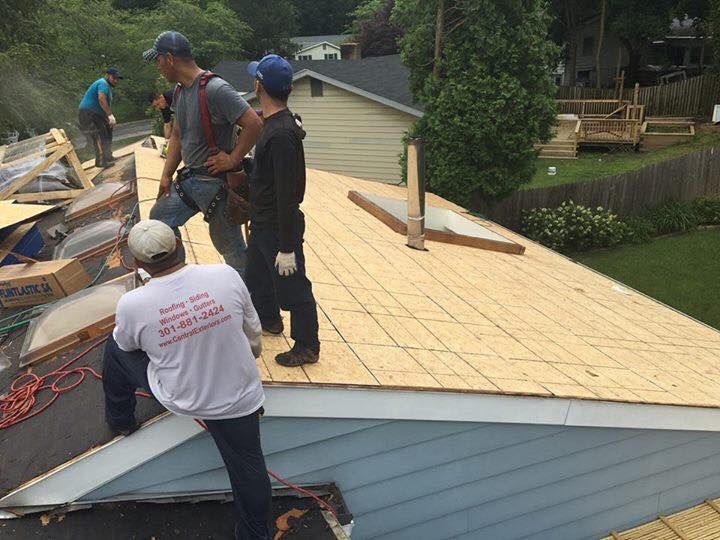
Roof repair is the best option if it is viable, but if there is more extensive damage, you will likely need to get a full roof replacement.
Sign 2: Rot & plants are growing
If you notice that plants are growing between the shingles on your roof or anywhere else on your roof, it’s important to take a closer look. Plants may be growing because the area is wet or moist, which can also indicate signs of rotting wood, which is very dangerous - particularly for a roof.
If plants are growing and there are signs of wood rot, then it is imperative that a new roof installation be done as soon as possible. Roof damage which includes damage to the wood and rot should be looked at as soon as possible. Calling on professional contractors such as Central Exteriors is an important step in ensuring the safety of not only your home but also of yourself and your family.
If you notice plant growth on your roof, be sure to
contact us immediately
- we offer free quotes.
Sign 3: Higher energy bills
Has the weather remained the same but your energy bills are rising? Be sure to keep an eye on your hydro and electricity consumption. A sign that reflects roof damage or the need for a roof replacement can be higher energy bills.
This may indicate that your system needs to work harder to heat or cool your home because there is air escaping through your roof. It could be anything from a small hole or a large area that is open to the outside.
Regardless, getting somebody to look at your roof is an important step in combating potential damage to your roof. Even a small hole can turn into a large problem and develop the need to replace your roof completely.
Get in contact with Central Exteriors. We offer free quotes and can take a look at your roof to let you know what, if any, fixes need to be done to keep your roof in proper (and safe) shape. Call us today at
(301) 881-2424
or fill out our convenient
online form
and one of
our roofing experts
will be in touch with you.
Share This Blog