Freeze‑Thaw Roof Damage: Quick Fixes Before Spring Rains
Central Exteriors • February 10, 2026
As winter draws to a close in Maryland, the DC Metro area, and Western North Carolina, homeowners and property managers face a unique roofing challenge: freeze-thaw roof damage. The cycle of freezing and thawing moisture can take a serious toll, creating vulnerabilities that may turn into costly issues once the spring rains arrive. Central Exteriors, your trusted local roofing contractor since 1956, is here to help you spot, address, and prevent freeze-thaw roof damage before it leads to bigger problems this season.
Understanding Freeze-Thaw Roof Damage
Freeze-thaw damage occurs when water seeps into small cracks or gaps in roofing materials. When temperatures drop, this water freezes, expanding and widening those cracks. As the sun comes out and temperatures rise, the ice melts, allowing more water to penetrate. Over repeated cycles, this process can weaken shingles, dislodge flashing, compromise seals, and even allow leaks into your home or business.
With our region’s fluctuating winter weather and unpredictable spring storms, freeze-thaw cycles are especially common. If left unchecked, the resulting damage can lead to interior water stains, mold growth, roof rot, damaged insulation, and even structural issues.
Common Freeze-Thaw Warning Signs
Detecting freeze-thaw roof damage early is key to cost-effective repairs. As you check your roof after winter, keep an eye out for these signs:
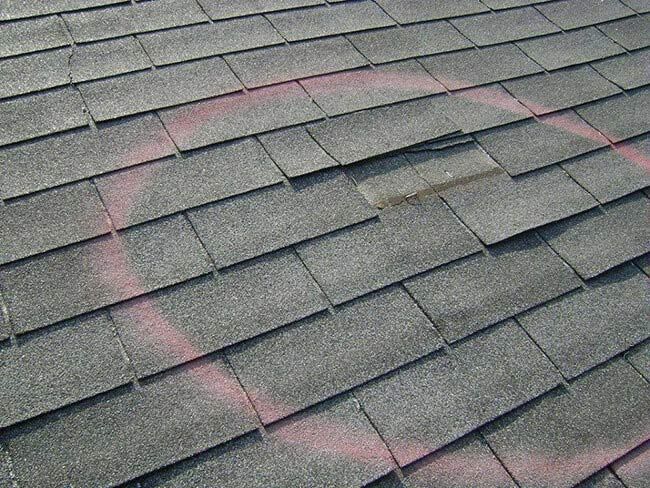
- Curling, cracked, or missing shingles, especially near roof edges
- Granule loss or bald patches on asphalt shingles
- Soft, spongy spots when gently pressing on shingles
- Discolored or stained areas on ceilings or attic rafters
- Water dripping or pooling in the attic during thaws
- Detached or loose flashing around chimneys, skylights, or vents
- Ice dams or lingering snow piles at the edge of the roof
If you notice any of these issues, it’s important to address them promptly, before heavy spring rains can make things worse.
Quick Fixes You Can Tackle Now
Addressing freeze-thaw damage quickly helps protect your roof’s integrity and extends its lifespan. While some repairs require a professional, you can tackle these small maintenance steps this season:
- Clear Debris: Remove lingering leaves, branches, and blockages from your roof and gutters. Clogged gutters can trap water, increasing the risk of leaks and freeze-thaw damage.
- Check Attic Ventilation: Make sure attic vents are clear and insulation is dry. Proper airflow reduces moisture buildup and helps minimize freeze-thaw effects.
- Seal Minor Cracks: Use exterior-grade roofing caulk to seal small gaps around flashing or joints. This provides a temporary barrier against water intrusion.
- Replace Damaged Shingles: If it’s safe to do so, re-secure or replace loose shingles to protect your roof’s structure from moisture.
- Address Ice Dams: Carefully remove small ice dams with a roof rake, or use calcium chloride as directed. Never use rock salt or forceful methods, which can cause roof damage.
Why Professional Repairs Matter
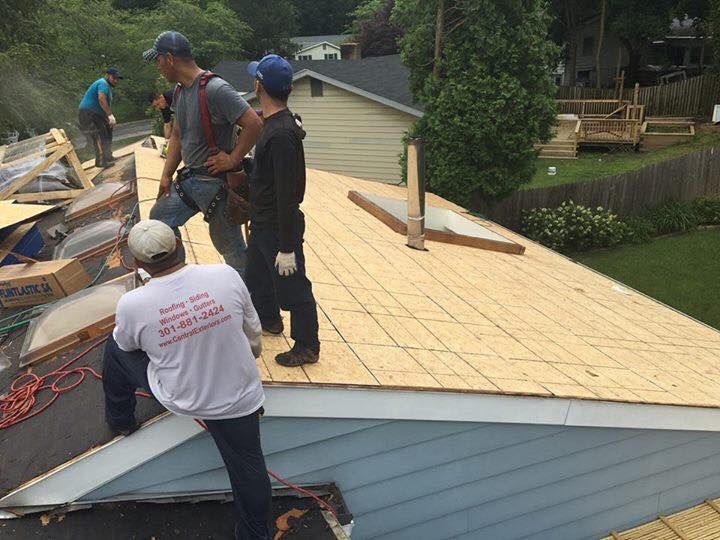
DIY efforts can help, but freeze-thaw roof damage often has hidden effects only a trained roofer can spot. Central Exteriors provides thorough roof assessments and repairs throughout Maryland, the DC Metro area, and Western North Carolina. Our team is trained to identify weakened underlayment, deteriorated flashing, and subtle shingle damage that could cause leaks down the road.
We use high-quality, weather-resistant materials and expert repair techniques to restore your roof’s strength and resilience. Having served this region for decades, we understand the unique challenges our climate presents and tailor every repair to your needs.
Preventing Future Freeze-Thaw Damage
The best way to keep your roof in top shape is through preventative care—especially before winter sets in. Here are expert tips from the Central Exteriors team:
- Keep gutters and downspouts free of debris so water can flow away from your foundation.
- Maintain proper attic ventilation and insulation to reduce moisture buildup.
- Trim back overhanging tree branches to minimize debris accumulation.
- Quickly repair minor roof issues—such as lifted shingles or loose flashing—before cold weather arrives.
While routine, professional roof inspections can be valuable, ongoing maintenance isn’t needed every year. At Central Exteriors, we typically recommend a comprehensive roof assessment and maintenance every 8 to 10 years, or sooner if you notice signs of trouble. This approach ensures you get the most value from your roofing investment without unnecessary upkeep.
Don’t Wait—Protect Your Home with Central Exteriors
Freeze-thaw roof damage doesn’t have to take you by surprise. Acting now allows you to address minor issues before they become major problems with spring rains.
If you’ve spotted potential freeze-thaw damage or want an expert, honest assessment, contact Central Exteriors today. We offer quick response times, clear communication, and reliable repairs tailored for homeowners and businesses in Maryland, the DC Metro, and Western North Carolina. Request a roof estimate and let us help you keep your home safe, dry, and ready for whatever the weather brings next!
Ready for a worry-free spring? Request a quote with Central Exteriors and experience true roofing peace of mind.
Share This Blog