How Modern Siding Insulation Keeps Maryland Homes Toasty All Winter
Central Exteriors • November 18, 2026
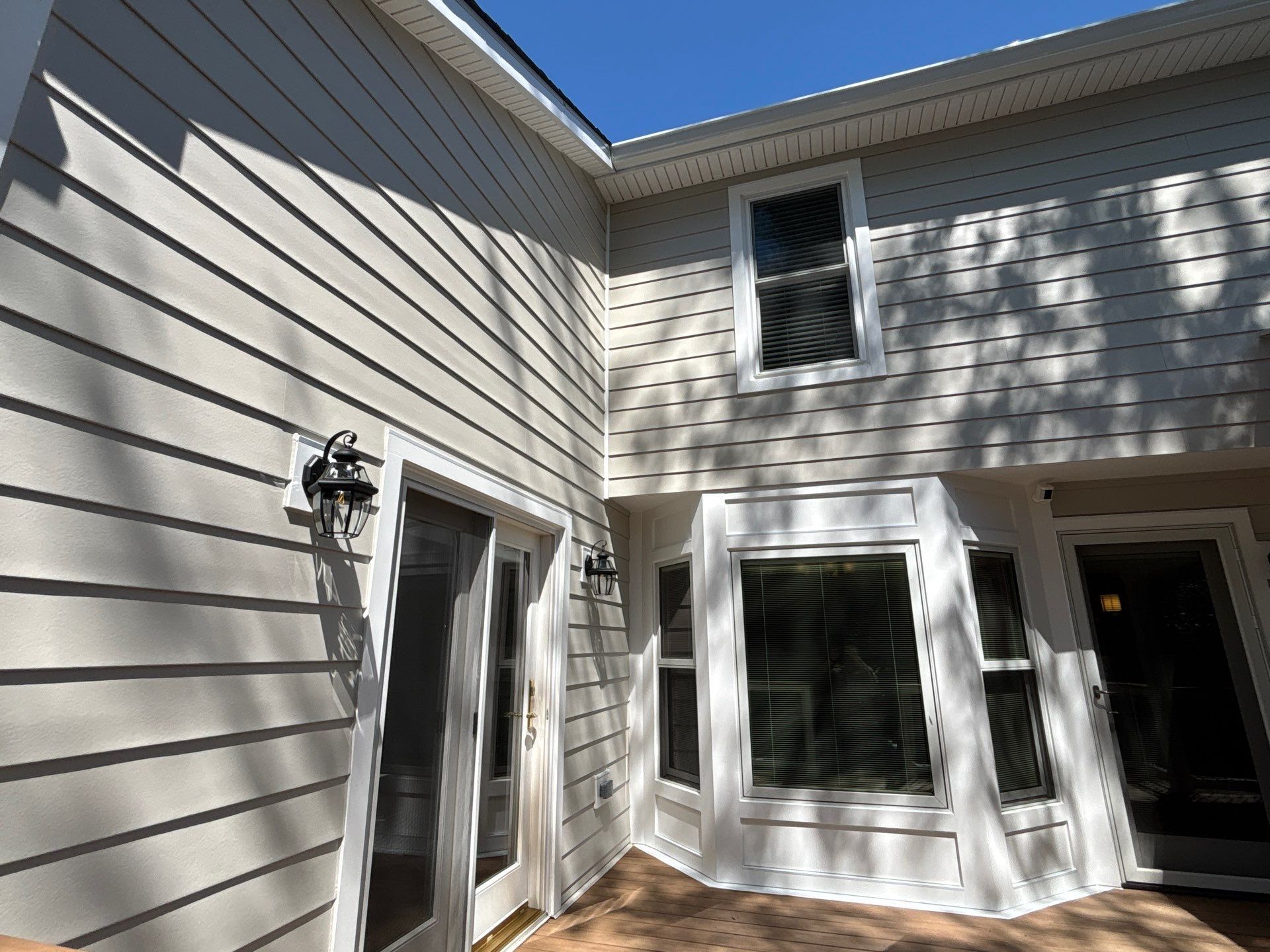
Heating bills often skyrocket during the colder months because heat continuously escapes right through the structural wall framing of older homes. Standard vinyl cladding protects against wind and rain, but it offers virtually no thermal resistance to stop energy loss. The experienced crew at Central Exteriors helps property owners solve this efficiency problem by installing engineered exterior systems designed to lock warmth inside. Modern insulated siding creates a continuous protective blanket around the entire exterior envelope to keep room temperatures consistent.
Many homeowners attempt to solve drafty living spaces by replacing window seals while completely overlooking the vast surface area of their exterior walls. Uninsulated wall studs create thousands of tiny energy drains that constantly pull heat out of your living space. Adding rigid contoured foam backing beneath new siding stops this heat transfer before it impacts your indoor comfort. This mechanical upgrade drastically lowers energy consumption while giving your home a sturdy, durable exterior facade.
Here is what we explore in this insulation breakdown:
- Thermal bridging mechanics: How wood framing drains indoor heat.
- Rigid foam backing: Creating a continuous thermal envelope.
- Moisture management: Protecting wall sheathing from trapped condensation.
- Frequently Asked Questions: Common queries regarding exterior insulation.
Thermal Bridging Mechanics
Traditional home construction leaves a massive gap in a building's overall thermal defense. The wooden studs inside your exterior walls act as thermal bridges, meaning they conduct heat directly from the warm interior drywall to the freezing outside air. Homeowners frequently ask does insulated siding actually keep a house warmer in winter. Because wooden framing accounts for roughly twenty percent of a home's total wall surface, heat continuously drains out through these uninsulated studs even if you have fiberglass batts inside the wall cavities. Installing a continuous layer of exterior insulation breaks this conductive path and holds the heat inside your home.
Rigid Foam Backing
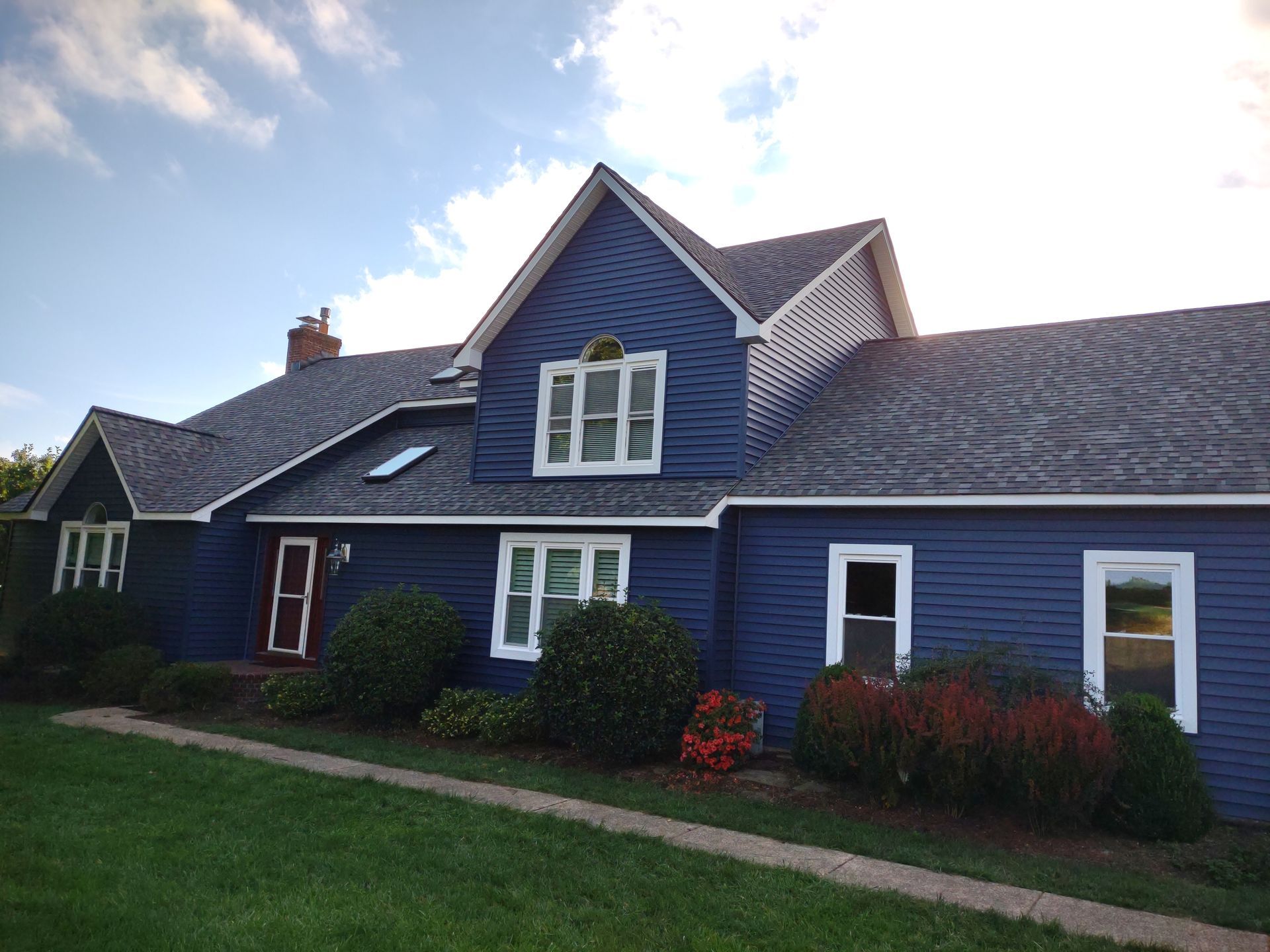
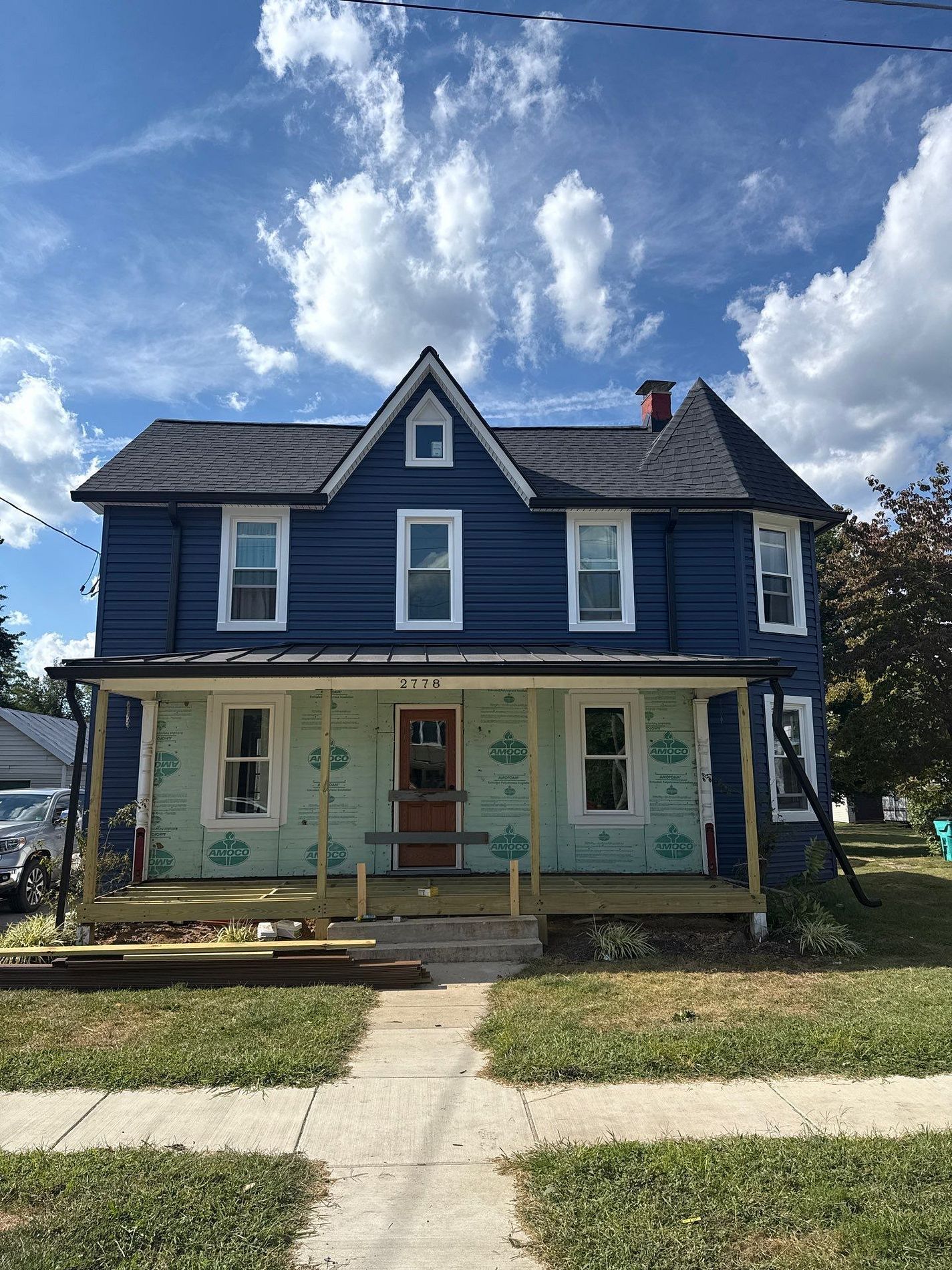
Modern Residential Siding Replacement incorporates contoured foam backing that fits snugly against the back of fiber cement or vinyl panels. This solid foam backing fills the hollow space behind standard siding, creating a rigid barrier that resists impact damage while eliminating energy leaks. The added density also dampens exterior noise, making your indoor environment significantly quieter during heavy windstorms. When our technicians install insulated cladding in Montgomery County, we ensure the underlying housewrap is properly lapped and sealed to prevent air infiltration.
Moisture Management And Structural Protection
Adding insulation to the outside of a house requires careful attention to vapor permeability and drainage. Trapping water vapor behind siding causes severe mold growth and rots out the wooden sheathing over time. High quality foam backing features built-in drainage channels that allow trapped moisture to escape down to the weep holes. This keeps the wall framing completely dry while maintaining an airtight shield against cold winter drafts.
Upgrading your exterior cladding requires skilled technicians who understand proper weather barrier installation.
► Client Experience: "I was fortunate to find this company to install siding on a workshop behind my house. From the first call to the last details they were very professional and the work they did was impeccable."
Dorina S. proves that relying on thorough professionals guarantees a clean, high-performing exterior installation.
Frequently Asked Questions
Does insulated siding increase the cost of installation?
Insulated options require a higher upfront investment for materials, but the continuous energy savings on monthly heating bills help offset the initial expense over time.
Can you add foam backing to existing siding?
Foam backing must be installed during a complete siding replacement because it is integrated directly behind the new panels and attached securely to the housewrap.
Stopping Winter Heat Loss Through Your Walls
Eliminating thermal bridging through your exterior framing creates a comfortable, energy-efficient living environment that stands up to harsh winter weather. Protecting your wall sheathing with contoured foam backing ensures your home retains heat while shielding the underlying framing from moisture damage. Contact our office today to schedule a free on-site estimate for your exterior siding upgrade.
Share This Blog