What Happens If You Delay Roof Repairs? Real Risks in Maryland & NC
Central Exteriors • September 22, 2026
Ignoring a minor ceiling stain often leads to catastrophic property damage for homeowners located from Potomac, Maryland, to the mountains of Asheville, North Carolina. The professionals at Central Exteriors see firsthand how delaying small fixes causes moisture to rot the structural bones of a home. Water always finds the path of least resistance, traveling along rafters and pooling inside your attic insulation.
Prioritizing fast residential roofing repairs is the only way to stop water intrusion before it forces a massive financial burden. Identifying the early warning signs empowers you to act quickly and preserve your underlying plywood decking. By paying attention to a few critical areas, you can keep your exterior weather tight all season long.
In This Article
- Tip 1:
Look For Hidden Decking Rot
- Tip 2: Inspect The Attic For Trapped Humidity
- Tip 3:
Evaluate The Chimney Flashing
- Frequently Asked Questions
Tip 1: Look For Hidden Decking Rot
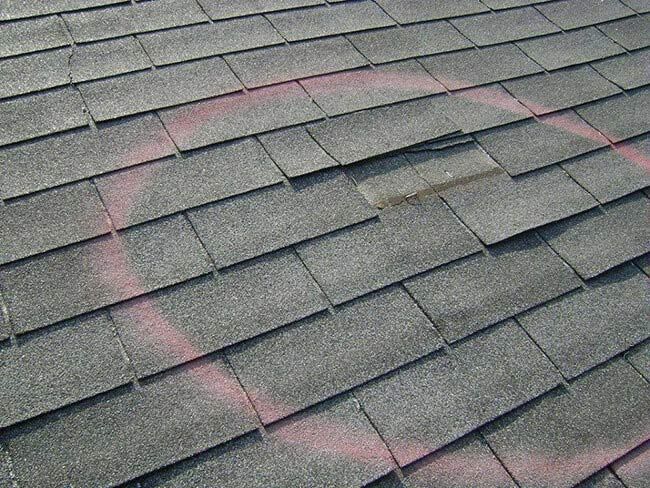
The wooden sheets supporting your asphalt layers represent the most critical structural component of your upper home. When water bypasses the surface materials, this wood absorbs the moisture and slowly turns to a spongy pulp.
- Wavy Rooflines: Step back to the street and look for visible dips across the main slopes of your property.
- Spongy Surfaces: Trade professionals can feel soft spots underfoot when walking across a compromised surface.
- Nail Pops: Swelling wood forces the roofing nails upward, which physically breaks the seal on the shingles above them.
Tip 2: Inspect The Attic For Trapped Humidity
Your interior upper space acts as the primary lung for your home. If hot air cannot escape properly, the resulting condensation acts exactly like a major weather leak.
- Frost Accumulation: Check the underside of the nails poking through the roof deck for heavy winter frost.
- Musty Odors: Pay attention to damp smells near your upper vents, which indicate long term biological growth.
- Matted Insulation: Look for fiberglass batts that appear dark or compressed, as this proves water has dripped down from above.
This is a pattern the team at Central Exteriors hears regularly from property owners dealing with sudden interior leaks.
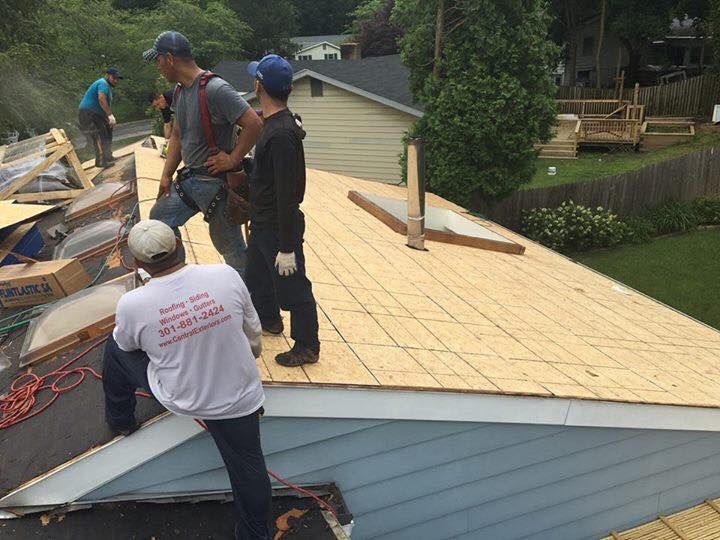
►Client Experience: Ray Fee shared “Central Exteriors did an amazing job on my roof. Fast, professional, and high quality work completed in one day.”
Executing immediate interventions prevents minor leaks from destroying your drywall, exactly as Ray experienced.
Tip 3: Evaluate The Chimney Flashing
The metal transitional joints where your roof meets brick surfaces are notorious failure points. Over time, the sealant dries out and the metal physical rusts, allowing heavy rain to pour straight into your living space.
- Rusted Metal: Look for brown streaks running down the brickwork directly below the step flashing.
- Cracked Sealant: Check the top edge of the metal where it is cut into the chimney mortar for dried or missing caulk.
- Loose Aprons: High winds frequently bend the bottom piece of flashing upward, opening a massive gap for blowing rain.
Frequently Asked Questions
Is it safe for contractors to replace individual shingles in freezing weather?
Technicians must handle asphalt materials very carefully during extreme cold because the products become highly brittle. Professional crews utilize specialized techniques to unseal the damaged layers without snapping the overlapping tabs. Minor residential window replacement projects are often grouped with these repairs to maximize energy efficiency during the winter.
How does trapped moisture expand and break asphalt during winter?
Water that infiltrates small cracks in your surface materials will naturally expand when the temperature drops below freezing. This sudden expansion acts like a pry bar, physically separating the asphalt tabs from their adhesive strips. Once the seal is broken, subsequent winter winds easily catch the loose material and tear it off the deck.
Protecting Your Property From Water Damage
Waiting to address a known moisture issue only guarantees a more expensive and invasive construction project later. Securing a professional evaluation right away protects your underlying wood framing and your peace of mind. Contact our repair team immediately to stop your active leaks in their tracks.
Share This Blog