Uncovering True ROI on Your Next Residential Siding Replacement
Central Exteriors • August 25, 2026
Deciding to replace the exterior cladding on your home is a major financial commitment. At Central Exteriors, we believe in providing our clients with honest facts rather than inflated sales pitches. Property owners across the Blue Ridge Parkway region and the DC Metro area deserve to know exactly what they are getting when they invest in new exterior panels.
Setting realistic expectations ensures you remain completely satisfied with the final results. A residential siding replacement offers fantastic benefits for your property, but understanding the true return on investment helps you plan your budget wisely. We will break down the realities of modern cladding materials so you can make a fully informed decision.
What We Cover:
- Analyzing Aesthetic and Financial Returns
- The Danger of Overestimating Insulation Gains
- Realistic Timelines and Longevity Expectations
- Frequently Asked Questions
Analyzing Aesthetic and Financial Returns
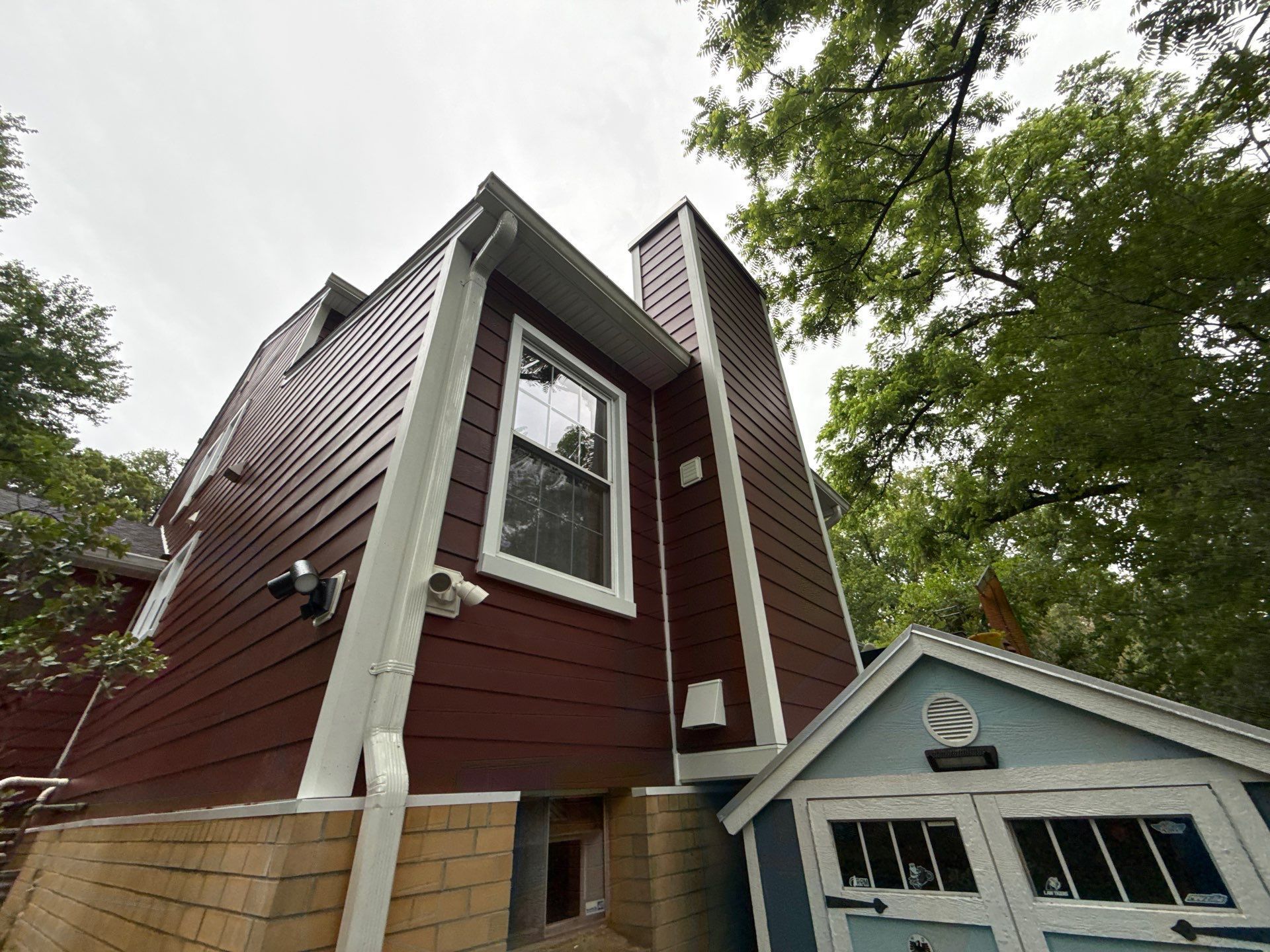
New vinyl or fiber cement boards instantly refresh the look of an aging home. The crisp lines and vibrant colors dramatically boost curb appeal, which is highly beneficial if you plan to list the property on the real estate market. Historically, exterior upgrades yield a solid financial return, often recovering a large percentage of the project cost in increased home equity. However, the exact return heavily depends on the current real estate market and the architectural style of your neighborhood.
→ From a professional standpoint: Choose classic colors that blend well with your local community rather than highly personalized shades if your primary goal is resale value.
The Danger of Overestimating Insulation Gains
One of the most common misunderstandings in the industry is the belief that new exterior cladding will magically cut your heating bills in half. While adding foam backed panels or specialized house wrap does reduce drafts, siding is primarily a barrier against wind and rain, not a primary thermal insulator. If your wall cavities lack fiberglass insulation or your windows are failing, new exterior boards will not fix the thermal leak.
This honest approach to property upgrades is why our clients trust our advice.
►Client Experience: Diane Yokum shared "Central Exteriors just replaced my roof, gutters and siding. I’m very pleased with the work they did. Matt, my project manager was great to work with throughout the entire process."
Diane experienced the peace of mind that comes from working with a team focused on realistic results rather than empty promises.
Realistic Timelines and Longevity Expectations
Modern materials are engineered to withstand decades of harsh weather. High quality vinyl resists fading much better than the products manufactured twenty years ago, and fiber cement holds paint beautifully for years. However, no material is completely maintenance free. You will still need to wash the boards occasionally to remove dirt and organic growth. We recommend combining your exterior washing routine with a professional property inspection every 8 to 10 years to ensure the caulking around your residential door replacement components remains intact.
→ A quick tip to remember: Expect the installation process to take at least a week, as the crew must carefully remove the old material and repair any hidden wood damage before hanging the new boards.
Frequently Asked Questions
Will fresh exterior panels conceal existing foundation damage?
No exterior material should ever be used to hide structural problems. If the wooden studs or sill plates behind your old cladding are rotting, covering them with new vinyl only traps the moisture and accelerates the decay. A professional crew will always insist on repairing underlying wood damage before installing the new weather barrier.
How do rapid temperature swings impact newly installed vinyl?
Vinyl naturally expands during hot summer afternoons and shrinks during freezing winter nights. Installers must leave small gaps at the ends of each panel and drive the nails loosely to allow the material to slide back and forth. If the panels are nailed tightly to the wall, the temperature swings will cause the plastic to buckle and crack within a single season.
Planning Your Exterior Upgrade
Understanding the true capabilities of modern exterior materials allows you to plan your renovation with total confidence. Focus on the proven benefits of weather protection and curb appeal while keeping your insulation expectations grounded. When you are ready to explore the best material options for your neighborhood, reach out to an experienced local team to start designing your new exterior.
Share This Blog